Functional Energy Drinks: What They Are and Why They're the Future of Energy
2026
Functional Energy
You've seen the word everywhere lately — functional. Functional food, functional beverages, functional energy drinks. But what does it actually mean, and why should you care?
If you're someone who takes their energy seriously — and wants something more than a sugar spike and a crash — functional energy drinks might be exactly what you've been looking for.
What Is a Functional Energy Drink?
A functional energy drink is a beverage that does more than just caffeinate you.
Traditional energy drinks are built around one goal: wake you up fast. They load up on synthetic caffeine, sugar, and stimulants like taurine to give you a sharp spike of energy — and an equally sharp crash about 90 minutes later.
Functional energy drinks are different. They're formulated with purpose-driven ingredients that support specific outcomes — focus, endurance, recovery, mental clarity — on top of (or instead of) a heavy caffeine hit. Think of them as the intersection of your energy drink and your supplement routine.
The result? A drink that works with your body instead of just jolting it.
What Makes an Energy Drink "Functional"?
Not every drink that slaps the word "functional" on its label earns it. Here's what to actually look for:
Natural Caffeine Sources Functional drinks typically use natural caffeine — from sources like yerba mate, green tea, or guarana — rather than synthetic anhydrous caffeine. Natural caffeine tends to deliver a smoother, more sustained energy lift with less of the jittery, wired feeling that comes from lab-made stimulants.
Performance Ingredients This is where functional drinks really separate themselves. Look for ingredients like:
Creatine — supports strength, power output, and endurance
BCAAs (branched-chain amino acids) — help with muscle recovery and reduce exercise-induced fatigue
Adaptogens — like ashwagandha or rhodiola, which help your body manage stress
Nootropics — like L-theanine or lion's mane, which support focus and cognitive function
No Junk Functional drinks skip the ingredients that don't serve you — artificial sweeteners, synthetic dyes, excess sugar, and fillers. If you can't explain why an ingredient is in there, it probably shouldn't be.
Why Functional Energy Drinks Are Replacing the Supplement Stack
Walk into any gym locker room and you'll find someone juggling three or four products before a workout — pre-workout powder, a BCAA drink, an energy drink, maybe a creatine capsule. It's a lot of money, a lot of planning, and a lot of things to remember.
Functional energy drinks are changing that equation.
Instead of stacking multiple products, you get the key performance ingredients delivered in a single, convenient, ready-to-drink can. One drink. Multiple benefits. Zero mental gymnastics.
This is exactly why the functional beverage market is one of the fastest-growing segments in the entire food and drink industry — projected to reach over $280 billion globally by 2030. Consumers, especially younger ones, are done with one-dimensional products. They want their purchases to do more.
Yerba Mate: The Ideal Base for a Functional Energy Drink
If you're looking for the ideal natural energy source to anchor a functional drink, yerba mate is hard to beat.
Yerba mate is a plant native to South America that has been used for centuries for energy, focus, and social connection. It naturally contains caffeine — typically around 80–150mg per serving — along with theobromine (the same compound in dark chocolate that creates a calm, mood-boosting effect) and a wide array of antioxidants.
What makes yerba mate particularly well-suited for a functional drink is the character of the energy it delivers. Most people describe it as alert but calm — the mental clarity of caffeine without the anxiety or jitteriness. It's why yerba mate has been called "the drink that gives you the strength of coffee, the health benefits of tea, and the euphoria of chocolate."
Pair that with creatine and BCAAs, and you've built something genuinely useful.
What to Look for on the Label
Not all functional energy drinks are created equal. Here's a quick checklist when you're evaluating a can:
✅ Natural caffeine source (yerba mate, green tea, guarana)
✅ Clinically relevant doses — ingredients should be present in amounts that actually do something, not just enough to put them on the label
✅ No artificial sweeteners — sucralose and acesulfame potassium are common offenders
✅ Zero or low sugar — you don't need sugar to make something taste good
✅ Transparent labeling — no "proprietary blends" that hide how much of each ingredient is actually in there
✅ Short ingredient list — if you need a chemistry degree to read it, that's a red flag
The Bottom Line
Functional energy drinks represent a real shift in how people think about energy — from a quick fix to a deliberate, performance-driven choice. The best ones combine natural caffeine with ingredients that actually support what you're trying to do, whether that's a workout, a long workday, or just getting through a Tuesday.
The category is growing fast, and for good reason. People are smarter about what they put in their bodies now, and they expect their drinks to keep up.
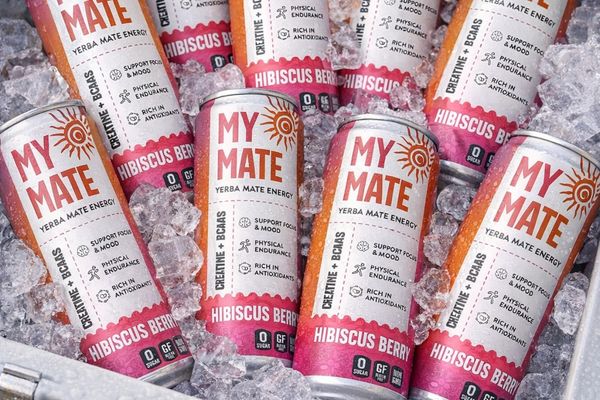
That's exactly what My Mate was built for — yerba mate energy, creatine, and BCAAs, in a single clean can. No supplement juggling. No crash. Just energy that shows up when you need it.
